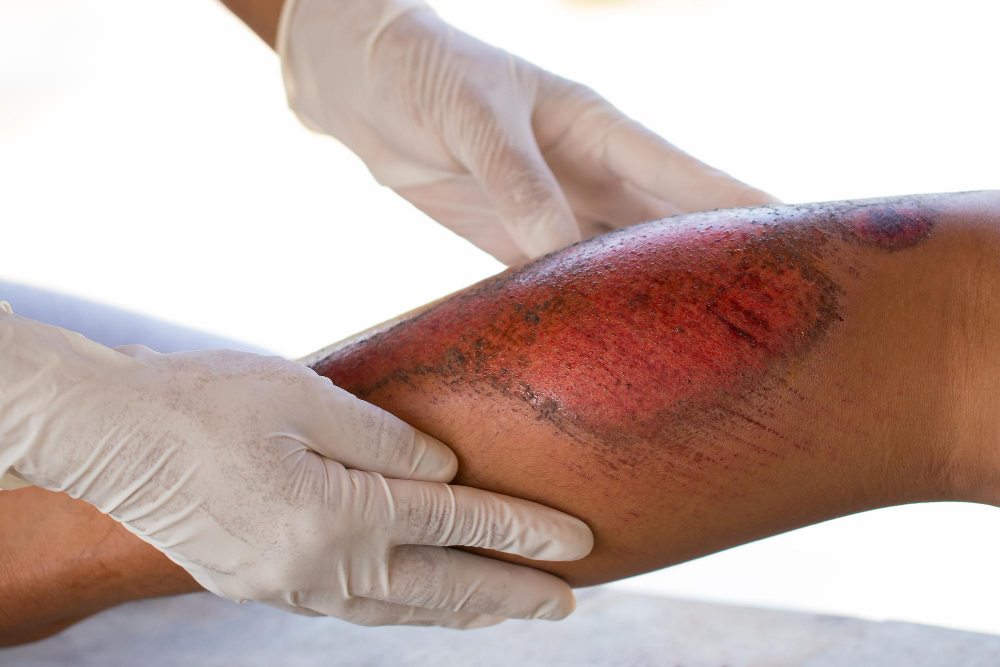
Wounds need good blood flow to heal well. The role of revascularization in wound healing is very important, especially for people with slow-healing wounds. Revascularization is a medical procedure that helps restore blood flow to areas with poor circulation. In this blog, you will learn how revascularization helps wounds heal, why blood flow matters, and what you should know about this treatment.
What Is Revascularization?
Revascularization is a procedure doctors use to improve blood flow in the body. Often, they do this by opening or bypassing blocked blood vessels. As a result, more oxygen and nutrients can reach the affected area. This process helps tissues heal faster and reduces the risk of infection. Revascularization for wound healing is common in people with poor circulation.
Why Blood Flow Matters in Wound Healing
Blood carries oxygen and nutrients that are vital for tissue repair. Without enough blood flow, wounds may heal slowly or not at all. For example, poor blood supply can lead to chronic wounds. In addition, a lack of oxygen can cause tissue to die. Therefore, improving blood flow in wounds is key for recovery.
How Revascularization Supports Wound Healing
Restores blood flow to the wound areaDelivers more oxygen and nutrients for healingRemoves waste products from the tissueReduces the risk of infectionSpeeds up the healing processHelps prevent tissue death
Because of these benefits, revascularization is a key part of chronic wound treatment.
Common Causes of Poor Blood Flow Leading to Chronic Wounds
Many health conditions can reduce blood flow and cause wounds to heal slowly. For instance, diabetes can damage blood vessels over time. Vascular disease, which affects the arteries and veins, is another common cause. In some cases, smoking or high blood pressure can also harm blood vessels. As a result, people with these conditions may need revascularization for wound healing.
Diagnosis and Treatment Options
Doctors use several tests to check blood flow in wounds. They may use ultrasound, blood pressure cuffs, or special scans. After finding poor circulation, doctors decide if revascularization is needed. Sometimes, they may suggest other treatments first, such as medication or wound care. However, if these do not work, revascularization may be the best option for chronic wound treatment.
What to Expect: The Revascularization Process
First, doctors will explain the procedure and answer your questions. The process may involve opening a blocked artery with a small balloon or placing a stent. In some cases, they may create a new path for blood to flow around the blockage. Recovery time depends on the type of procedure. Most people can go home the same day or after a short stay. While risks are low, possible problems include infection, bleeding, or blood clots. Your doctor will discuss these with you before the procedure.
Prevention and Lifestyle Tips
There are steps you can take to keep your blood vessels healthy and prevent chronic wounds:Eat a balanced diet rich in fruits and vegetablesExercise regularly, even gentle walking helpsAvoid smoking and limit alcoholManage health conditions like diabetes and high blood pressureCheck your feet and skin for wounds, especially if you have diabetesKeep wounds clean and follow your doctor’s advice
By following these tips, you can lower your risk of slow-healing wounds.
When to Consult a Specialist
It is important to seek help if you notice any of these signs:A wound that does not heal after two weeksRedness, swelling, or pain around a woundDark or black tissue near the woundSigns of infection, such as pus or fever
If you have a slow-healing wound, do not wait. Early treatment can prevent serious problems. Consult a specialist for personalized guidance.
If you have a slow-healing wound, consult a specialist at Lexington Health Care Hospital for personalized guidance.