Symptoms That Whisper Before They Shout
A Tiny Shudder, a Big Sign
Mr. R was stirring sugar into his chai when his right hand stopped moving. Just for thirty seconds. Then it came back. He laughed it off. Told his wife he’d slept funny. Went about his day.
Three weeks later, he walked into our vascular clinic — and we found the blockage that could have stolen everything from him.
A Tiny Foot Sore, a Huge Sign
Mr. S didn’t come to us worried about his arteries. He came because his left foot wouldn’t heal — a small wound from new shoes that had been there for months. Stubborn. Painful. Refusing to close.
We treated the foot — of course we did. That’s when we found the carotid artery blockage in his neck — the one that could have caused a massive stroke within the year.
What most people don’t realize is this: strokes don’t always start in the brain.
They start in the arteries leading to it — the carotid arteries.
Your Body Is a Network, Not a Collection of Parts
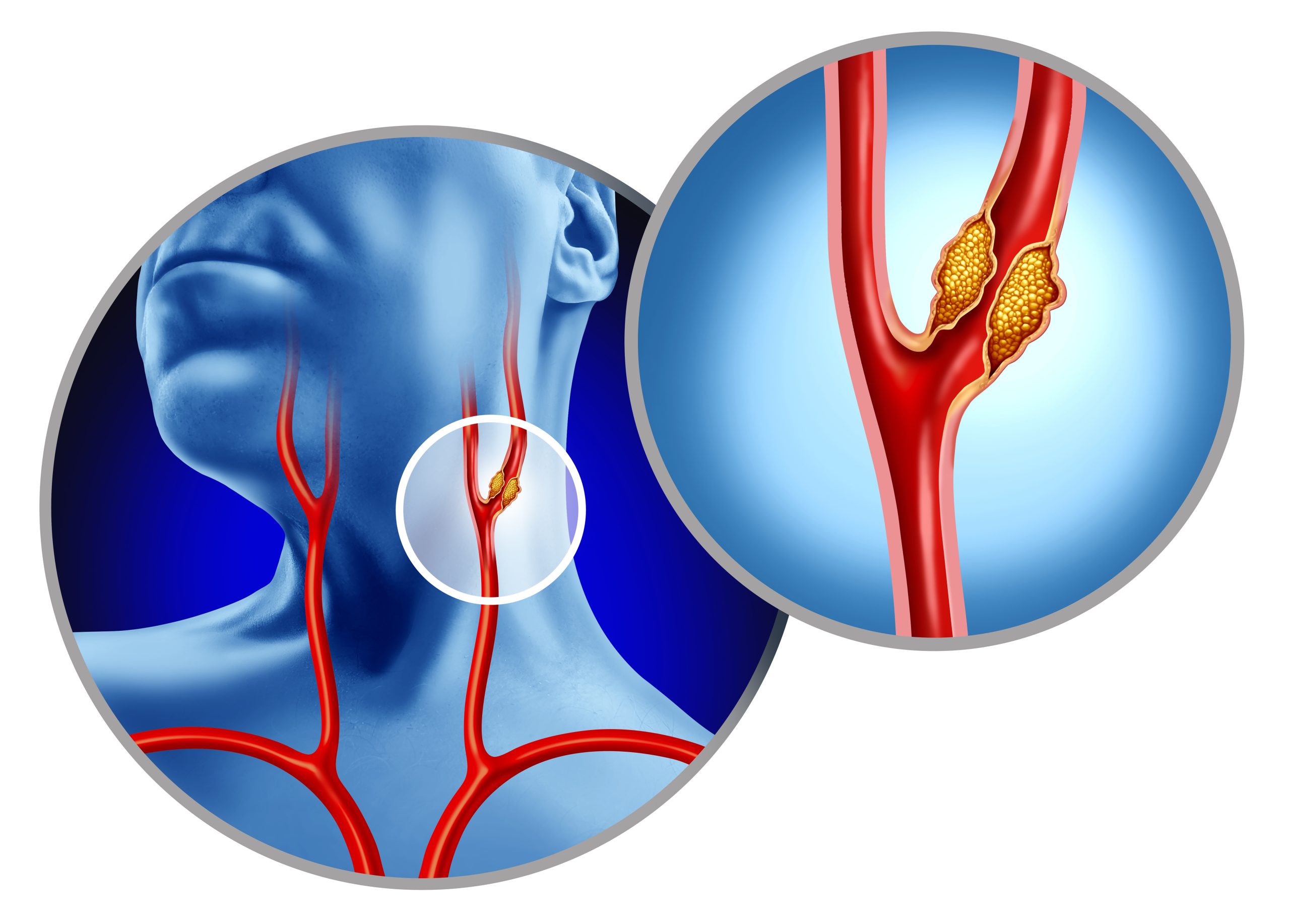
Think of your circulatory system like a city’s water network. If the main pipe clogs, every house on the block suffers. Your heart, legs, and brain are all connected by one vascular system. You have two large arteries running up either side of your neck — the carotid arteries. Their job is simple: carry oxygen-rich blood to your brain.
When these arteries narrow down, it causes carotid artery stenosis, often found in patients with leg pain, diabetic wounds, or Peripheral Artery Disease (PAD). Over time, fatty atherosclerotic plaque may build up along their walls — like rust in a pipe. The passage narrows. Blood flow slows. Sometimes, tiny fragments break loose and block smaller brain vessels.
That’s when a stroke happens.
This type — called an ischemic stroke — accounts for nearly 87% of all strokes worldwide.
And the scariest part? Small signs reveal them early on but we fail to notice them until it’s too late.
At Lexington Healthcare, when we say “we don’t give up on limbs, and we don’t give up on people,” we mean it.
We look at your entire vascular health — because often, outward issues mean something more serious is happening within.