What is Peripheral Artery Disease?
Peripheral Artery Disease (PAD) is a condition where blood vessels in the legs or arms become narrow. As a result, blood flow to these areas is reduced. This can cause pain and other health problems. PAD is a common vascular health issue, especially in older adults. According to the CDC, millions of people worldwide have PAD. Early detection and treatment for peripheral artery disease can help prevent serious problems.
Common Symptoms of Peripheral Artery Disease
PAD symptoms often start slowly. Sometimes, people may not notice them at first. However, as the disease gets worse, symptoms may become more obvious. For example, you might feel pain or cramping in your legs when walking. This pain usually goes away with rest. Other signs can include:Leg pain or aching, especially during activityNumbness or weakness in the legsColdness in the lower leg or footSores on toes, feet, or legs that heal slowlyShiny skin or loss of hair on the legsWeak pulse in the legs or feet
Sometimes, PAD does not cause any symptoms. Still, it can increase the risk of heart attack or stroke.
Main Causes and Risk Factors
PAD is mainly caused by a buildup of fatty deposits in the arteries. This buildup is called atherosclerosis. Over time, these deposits make the arteries narrow and stiff. As a result, blood cannot flow easily. Several risk factors can increase your chance of developing PAD. These include:SmokingDiabetesHigh blood pressureHigh cholesterolBeing over age 50Family history of vascular disease
Additionally, people who are overweight or do not exercise are at higher risk. Managing these risk factors can help protect your vascular health.
How Peripheral Artery Disease is Diagnosed
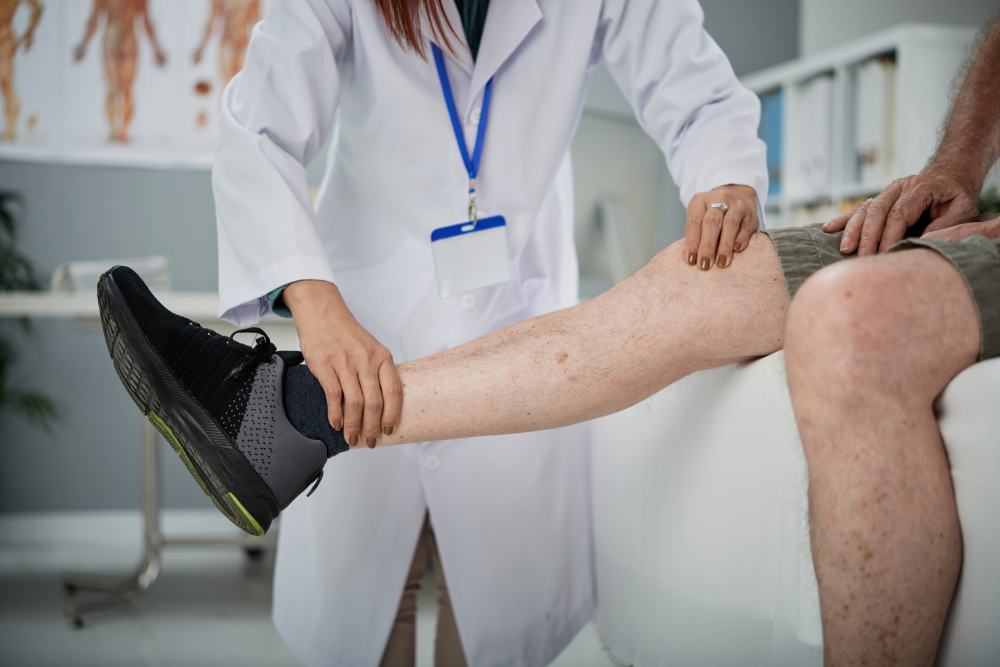
Doctors use several tests to diagnose PAD. First, they will ask about your symptoms and medical history. Next, they may check the pulse in your legs and feet. If needed, your doctor may order special tests, such as:Ankle-brachial index (ABI): This test compares blood pressure in your ankle and arm.Ultrasound: This uses sound waves to look at blood flow in your arteries.Blood tests: These can check for high cholesterol or diabetes.Angiography: This test uses dye and X-rays to see inside your arteries.
Early PAD diagnosis is important. It can help prevent serious problems, such as leg ulcers or even amputation.
Treatment Options for Peripheral Artery Disease
Treatment for peripheral artery disease depends on how severe the condition is. Often, doctors suggest a mix of lifestyle changes, medicine, and sometimes surgery. Here are the main options:
Lifestyle Changes
Quit smoking to improve blood flowEat a healthy diet low in fat and saltExercise regularly, such as walkingMaintain a healthy weight
Medications
Medicines to lower blood pressure or cholesterolDrugs to prevent blood clotsMedications to help with leg pain
Surgical Treatments
Angioplasty: A small balloon opens the blocked arteryStent placement: A tiny tube keeps the artery openBypass surgery: Blood is rerouted around the blocked artery
Your doctor will choose the best treatment based on your needs. Sometimes, a combination of treatments works best.
Prevention Tips and Healthy Lifestyle Guidance
Although PAD can be serious, you can lower your risk. For example, making healthy choices every day helps protect your arteries. Try these tips:Stop smoking as soon as possibleEat more fruits, vegetables, and whole grainsExercise for at least 30 minutes most daysKeep your blood pressure and cholesterol in checkManage diabetes if you have itSee your doctor for regular check-ups
Even small changes can make a big difference. Over time, these steps support better vascular health and lower your risk of PAD.
When to See a Doctor
If you notice leg pain, numbness, or sores that do not heal, see a doctor soon. Early treatment can prevent serious problems. In addition, talk to your doctor if you have risk factors like diabetes or a family history of vascular disease. Remember, regular check-ups help catch PAD early. Do not ignore symptoms, even if they seem mild.
For personalized advice on Peripheral Artery Disease, consult a vascular specialist at Lexington Health Care Hospital. Early care can protect your health and keep you active.